

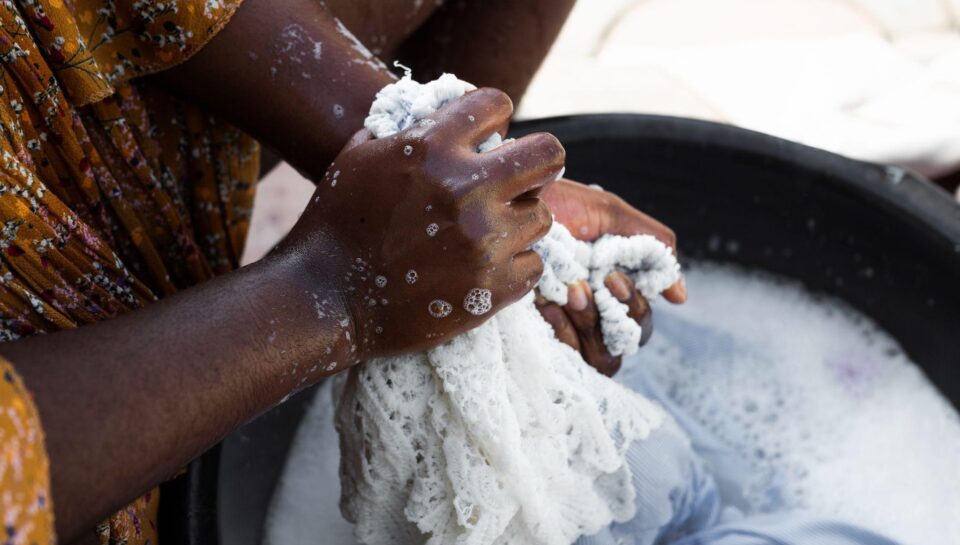
Laundry plays a critical role in institutional operations, hospitality services, and household management. Yet, poor laundry practices continue to drive up costs, damage fabrics, and reduce overall quality. Washing smarter is not about working faster. It is about applying the right techniques at every stage of the laundry process to protect fabrics, improve efficiency, and reduce waste.
This article highlights practical laundry best practices that support sustainable fabric care while delivering consistent, high-quality results.
Effective Stain Removal Begins Before Washing
Stain removal is one of the most important stages in the laundry process. Stains should always be treated before washing, whether laundry is done manually or by machine.
Effective stain treatment involves:
- Identifying the stain type during sorting, such as food, oil, ink, or rust
- Applying a stain remover suited to the specific stain
- Spot-treating and allowing time for the remover to work
- Handling delicate fabrics like linen with care to avoid fibre damage
Treating stains correctly at the start reduces the need for harsh chemicals, high temperatures, and repeat wash cycles, all of which shorten fabric lifespan.
Proper Sorting Protects Fabrics and Improves Wash Quality
Sorting is the foundation of professional laundry care. It should be done systematically, not as an afterthought.
Laundry should be sorted by:
- Fabric type, including cotton, synthetic, and delicate materials
- Colour, separating whites, darks, and coloured items
- Level of soiling, from lightly worn to heavily stained
- Item category, such as garments, bed linens, towels, napkins, and gowns
Correct sorting prevents colour transfer, reduces mechanical stress during washing, and ensures that each fabric receives appropriate treatment.
Manual Washing: Using Water and Detergent Correctly
When hand washing, using insufficient water often leads to ineffective cleaning. Fabrics require enough water to move freely and release dirt and chemicals.
Good manual washing practices include:
- Using adequate water to allow proper agitation
- Avoiding harsh detergents that cause fading and fibre damage
- Rinsing thoroughly to remove detergent residue
- Re-rinsing where necessary
Residual chemicals left in fabrics weaken fibres over time and reduce overall fabric quality.
Understanding the Washing Machine Process
Washing machines are designed to work in stages, each contributing to the effective cleaning and care of fabrics.
A complete washing process typically includes:
- Pre-wash to loosen dirt and stains
- Main wash for thorough cleaning
- Bleaching when appropriate, particularly for white items
- Rinsing to remove detergents and chemicals
- Spinning to extract excess water
Skipping or rushing any of these stages compromises wash quality and accelerates fabric wear.
Temperature Selection for Safe and Hygienic Washing
Choosing the correct washing temperature is essential for both cleanliness and fabric protection.
Recommended temperature ranges include:
- 30°C to 45°C for coloured and delicate fabrics
- Around 60°C for towels and bed linens
- 70°C to 90°C for hospital and kitchen linens requiring thermal disinfection
Higher temperatures improve hygiene but can damage fabrics if used incorrectly. Always follow fabric care label guidelines.
Selecting the Appropriate Wash Program
Modern washing machines offer specialised programs designed for different fabric types. Using the wrong program is a common cause of premature fabric damage.
Appropriate program selection includes:
- Cotton programs for sheets and towels
- Synthetic programs for blended fabrics and uniforms
- Delicate programs for fine materials
- Heavy programs for heavily soiled items
Matching wash programs to fabric type ensures effective cleaning while preserving fabric integrity.
Correct Machine Loading for Efficiency and Longevity
Machines perform best when loaded correctly. Ideally, washers should be filled to about 80 to 85 percent of their capacity.
Overloading reduces cleaning efficiency and strains machine components, while underloading wastes water, energy, and detergent. Facilities with varying laundry volumes benefit from machines of different capacities to improve operational efficiency.
Smart Detergent Use for Fabric Care
Using more detergent does not result in cleaner laundry. Excess detergent leaves residue, damages fibres, and increases water and energy use.
Best practices include:
- Using detergent compartments rather than adding detergent directly to the drum
- Following recommended dosing guidelines
- Selecting high-quality detergents suitable for the fabric type
Poor-quality or overly harsh detergents accelerate fabric deterioration and colour fading.
Drying Practices That Extend Fabric Life
Drying methods significantly affect fabric appearance and durability. Coloured fabrics should not be dried in direct sunlight, as prolonged exposure causes fading.
Effective drying practices include:
- Drying coloured items in shaded, well-ventilated areas
- Separating heavy and light items to prevent overdrying
- Handling fabrics gently throughout the drying process
Preventing Fabric and Equipment Damage
Many causes of fabric damage are preventable. Common issues include incorrect temperatures, excessive bleach use, poor rinsing, over-drying, and rust stains from metal trolleys. Preventive measures include following sorting rules, using appropriate temperatures, checking pockets before washing, and using plastic trolleys instead of metal ones.
The Importance of Regular Laundry Equipment Maintenance
Routine maintenance improves machine performance, reduces downtime, and extends equipment life.
Daily maintenance should include:
- Cleaning filters
- Checking drain valves
- Removing foreign objects
- Wiping drums and leaving doors open after use
Dryers require daily lint removal, as accumulated lint is highly flammable and poses a serious fire risk. Proper airflow behind machines is equally important.
A Smarter, More Sustainable Approach to Laundry
Smarter laundry practices lead to better results, longer-lasting fabrics, and lower operational costs. By applying correct sorting, stain treatment, washing, drying, and maintenance techniques, individuals and institutions can improve efficiency while supporting sustainable fabric care. Clean laundry is not just about appearance. It is about process, consistency, and informed decision-making at every stage.